Celebrating the Holidays With a Loved One in Hospice Care
The holidays may look different when someone you love is receiving hospice care. Discover simple ways to keep favorite traditions alive, create meaningful moments and enjoy time together.

Children experience grief just as adults do, but they often express it differently. A child may cry one moment and ask to play outside the next. Another may become quiet, cling to a parent or ask questions about death long after a loss.
These reactions can be confusing, especially for adults who are grieving themselves. Understanding how children process loss can help families respond with patience, honesty and reassurance.
On Children’s Grief Awareness Day, Nov. 19, we recognize the importance of helping children understand their emotions and feel supported after losing someone they love.
Children respond to loss differently depending on their age, development and relationship with the person who died.
Younger children may not understand that death is permanent. They might repeatedly ask when someone is coming home or experience changes in sleep and behavior.
School-age children may have difficulty expressing their emotions. Some become withdrawn, struggle to concentrate or worry about losing another family member.
Teenagers may turn to friends for support or prefer to process their feelings privately.
It’s also common for children to move between sadness and everyday activities. A child who laughs or plays shortly after a loss isn’t grieving any less. It’s simply one way children cope.
Adults sometimes avoid conversations about death to protect children from additional pain. But children often sense when something is wrong.
Use simple, honest and age-appropriate language. Saying someone “died” is generally clearer than phrases like “went to sleep,” which can confuse younger children.
Encourage questions, even when you don’t have all the answers. Remind children that they are loved, safe and not responsible for the death.
Above all, listen. Children don’t always need an explanation. Sometimes, they simply need someone willing to hear what they’re feeling.
Helping a grieving child doesn’t require having the perfect words. Small, consistent actions can make a meaningful difference.
Maintain familiar routines when possible. Give children opportunities to remember their loved one through photographs, stories, drawings or activities they enjoy.
It’s also OK to show your own emotions. When adults acknowledge their sadness, children learn that grief is a natural response to loss.
If a child’s distress continues to interfere with daily activities, consider seeking additional support from a qualified professional.
With the holidays approaching, children may feel the absence of someone they love more deeply.
Invite them to participate in family traditions or find ways to remember their loved one. That might include preparing a favorite recipe, sharing memories or displaying a photograph.
Let children decide how much they want to participate. And remind them that enjoying the holidays doesn’t mean they’ve forgotten someone they love.
Grief can change as children grow and develop a deeper understanding of their loss. New questions and emotions may surface months or even years later.
Reserve Care offers grief support programs, including Camp Good Grief, Riding Through Grief and Together We Can, that help children express their feelings and connect with others who understand.
Children may not always know how to explain what they’re experiencing. Having someone who listens, answers their questions and helps them remember their loved one can make a lasting difference.
Explore more articles that offer guidance, share real experiences and help you navigate what comes next.
The holidays may look different when someone you love is receiving hospice care. Discover simple ways to keep favorite traditions alive, create meaningful moments and enjoy time together.
Meet the care teams who bring comfort, dignity and support to patients and their families.
Learn how the end of daylight saving time affects older adults, including sleep and dementia symptoms, and what caregivers can do to help.
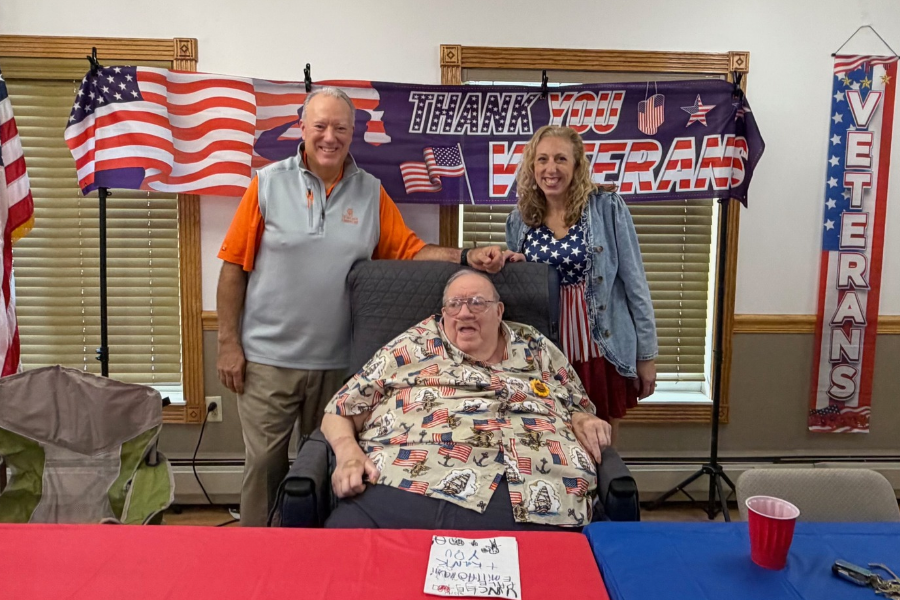
Reserve Care honored Army veteran Dale Berardinelli with a special ceremony at Burton Healthcare, surrounded by nearly 60 family members and friends.